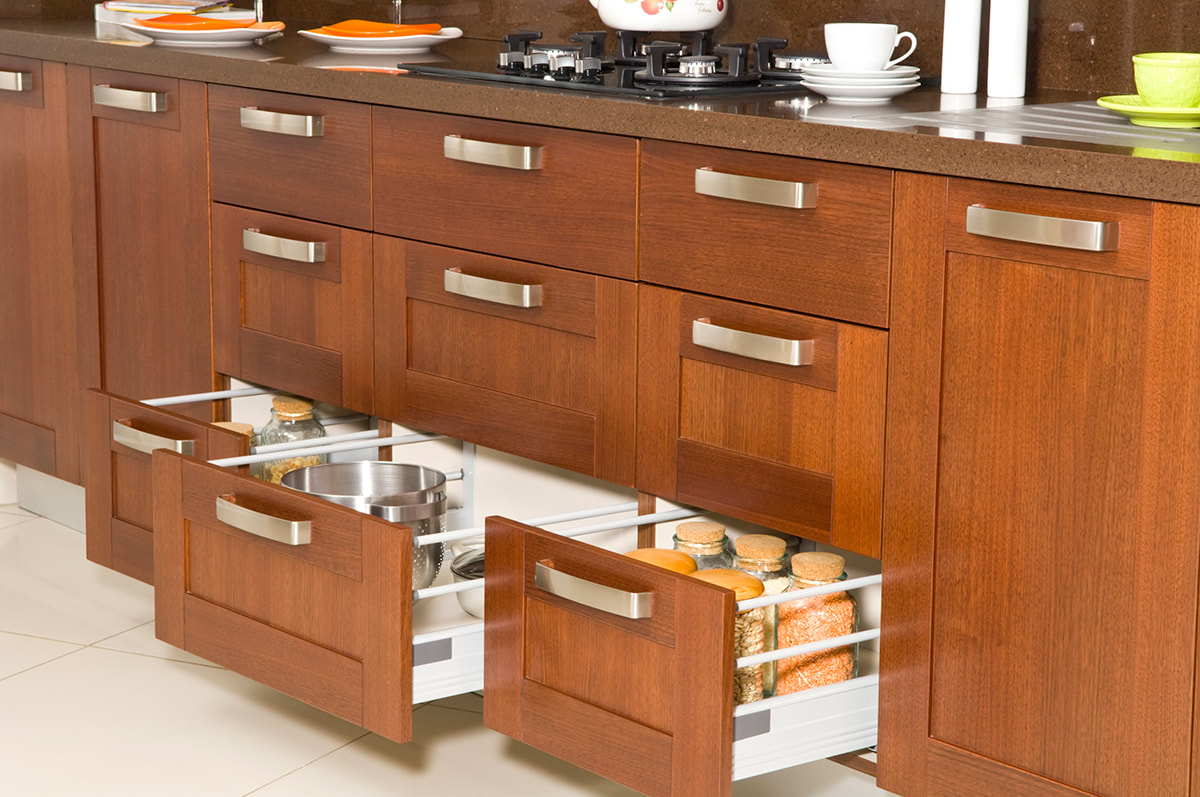
 Planning for an accessible kitchen remodel, while in theory has similarity to other remodeling projects, actually involves special considerations you won't want to forget or overlook. If you want a workable, safe kitchen for disabled access or aging in place, be sure to avoid the following accessible kitchen remodel mistakes.
Not enough turn-around space Skimping on the space that’s necessary to turn around a mobility device can make your space simply unusable for those who need the extra turn-around space. When you make up your kitchen remodel floor plan, aim for a minimum five-foot turning radius of free space. This space is the amount needed to allow a person using an electric wheelchair or scooter room to turn their device around while minimizing the risk of bumping into kitchen cabinets, countertops, or appliances. Installing inaccessible faucets When shopping for faucets, look for options that are either hands-free or that can be operated by means of a lever rather than difficult-to-turn knobs. In addition, you must also make sure your faucets are reachable. It does no good to have accessible faucets if no one can reach them from a wheelchair. Make sure your kitchen design includes clearance under the sink, allowing sufficient room to roll a wheelchair under it, within easy reach of the faucet. Keep in mind you will also want to move plumbing pipes to the rear so you can maximize your space and you should also shield the pipes with insulation or some other barrier to avoid potential burns to a person's legs. Countertops that are too tall A tricky consideration for your kitchen remodel is how to accommodate everyone's needs with countertops that are of different heights. If you opt for countertops that are lower in height so a person in a wheelchair can use them, they will likely be too short for others in the household. Your best bet is to either alternate accessible countertops with some at the conventional height of 36 inches or have adjustable counters installed. Slippery floors Food prep and clean up tend to be messy tasks in a busy kitchen, so your choice in flooring material is an important consideration. For example, ceramic tile flooring and linoleum, while popular for use in kitchens, can also become very slippery when wet, causing a hazardous situation for those who are mobility-impaired. A better solution is choosing slip-resistant flooring. If you have your heart set on tile, look at using ceramic tiles that are smaller (6- or 8-inch squares are ideal) as they will offer reduced slipperiness; the additional number of grout lines per square foot will add some extra traction. Choosing standard appliances When purchasing new appliances, give careful thought to their accessibility. For example, a side-by-side refrigerator is a better option than a top-bottom freezer-refrigerator combo as it provides easier access to both compartments. Other important appliance details include choosing cooktops with front controls so a person does not have to reach over hot burners, as well as a side-opening wall oven which is easier and safer to open. Above and beyond the type of appliance chosen is the need to make sure installation height is appropriate. A countertop microwave, for example, is more accessible than an over-the-stove unit. Choosing traditional cabinetry Today’s kitchen cabinetry has come a long way and several manufacturers offer variations to make life easier for those who need accommodations. Research recent innovations such as soft-close cupboards, touch-release drawers, pullout shelving, or pull and swing lazy Susan corner units -- each of these simplify working in the kitchen for those with limited strength and/or mobility. Neglecting the small details They say the Devil is in the details and this couldn't be truer when working on an accessible kitchen remodel. For instance, consider installing an ample supply of electrical outlets and light switches that are operable from a seated position. In addition, add sufficient lighting for different task areas and make sure they are up to twice the standard strength to help those with diminished eyesight. Furthermore, plan pantry and cooking pot storage at a lower height of 20 to 44 inches above the floor so that all items can be reached from a seated position. If your home is in the Eugene-Springfield area, give our team at Fort Rock Construction a call at 541-767-1611. We are aging in place and accessibility experts. We can walk through your kitchen with you and plan out what it's going to take to create the kitchen of your dreams.
0 Comments
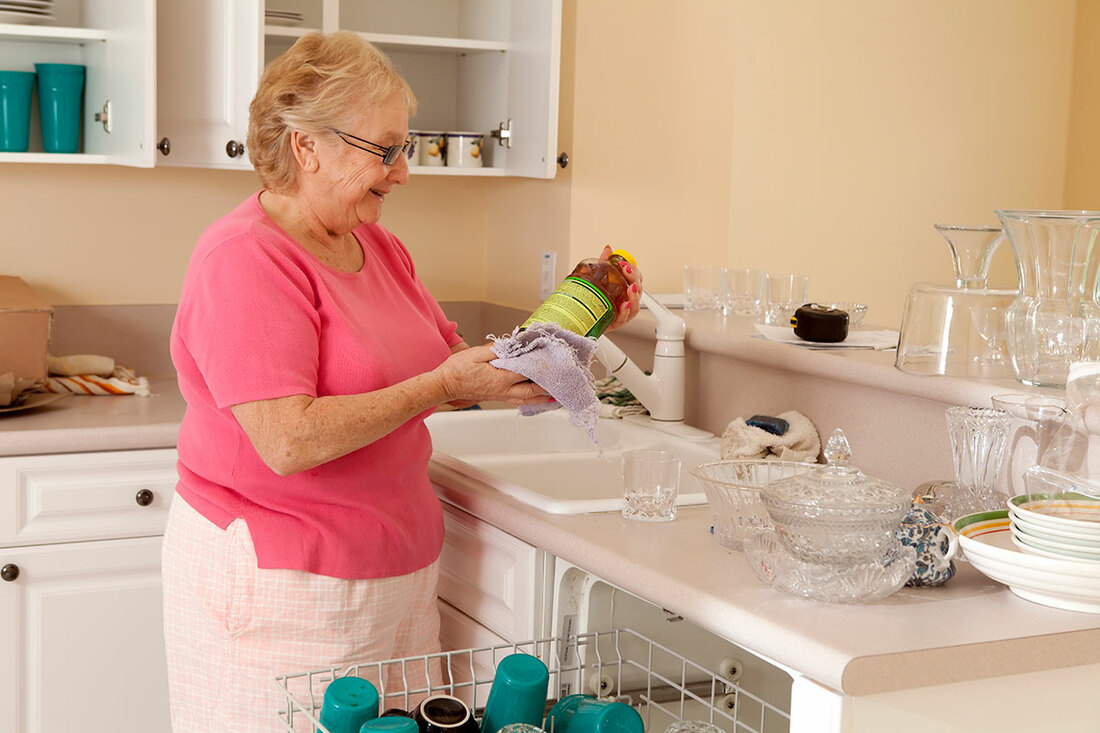 Guest Blog by Kent Elliot
A 2016 report published by Home Advisor revealed that a majority of aging Americans — 61 percent, in fact — want to age in place rather than seek a place in an assisted living or some other senior facility. The 2016 report indicated that seniors want to remain at home to be near their families or to maintain their independence. However, in many cases, aging in place is only possible with home modifications that allow older adults to care for themselves, or which make it easier for another to provide assistance. Modifications are often necessary to aid mobility, accessibility, and safety so a senior can remain at home with minimal risk of injury. Getting Around Accessibility modifications include widening doorways to at least 36 inches to accommodate a wheelchair, which can be an expensive modification. However, for those on a budget, the addition of expandable door hinges can do the job at a fraction of the cost. Hallways may also require widening. For seniors in a wheelchair or who need a walker, an accessibility ramp may be necessary if there are stairs leading to the front entryway. Also, thick rugs and carpeting present a mobility challenge for wheelchairs, as can uneven transitions between rooms, which may require the use of durable transition ramps. Bathroom Safety The bathroom is definitely the most dangerous room for seniors, regardless of age or condition. More seniors fall in the bathroom than in any other part of the home, and as such, it requires extensive safety modifications to protect seniors from being seriously injured in a room where moisture and slick, hard surfaces present a constant threat. This is why grab rails, roll-in tubs, or zero-entry showers (with a place to sit) are also important for mobility-challenged seniors. Other important bathroom modifications should include an elevated toilet seat and safety rails alongside to avoid falls. Also, don’t forget to lay a skid-resistant mat in front of the toilet, especially if the bathroom floor is covered in tile or laminate. Replace door knobs with levers, which are easier for an older adult to use, particularly in dim lighting where vision and one’s grip are less confident. Install a roll-under sink that’s low enough for a wheelchair, and make sure there’s enough space in the bathroom for a wheelchair to maneuver without difficulty. According to the Americans with Disabilities Act, a bathroom space should be 30 inches by 48 inches to accommodate a wheelchair. (In Lane County, Oregon, contact our team at Fort Rock Construction about making bathroom modifications in your home.) Lighting It’s a fact of life that one’s eyesight diminishes with age. That can be a dangerous situation for an older adult who wants to age in place because dimly light hallways and rooms with light switches that are difficult to find or reach present a significant safety threat. In general, white bulbs that don’t create glare are good options in poorly lit locations, while motion sensors may be the best idea for seniors who get confused at night and have trouble finding light switches. LED night lights in the bathroom, hallway, and bedroom are also smart preventative measures. Seniors who are able to age at home are more optimistic and tend to be more physically and socially active than those who need help with day-to-day living. That’s an important factor when you consider the potential impact of an aging Baby Boomer population on the country demographically, politically, and economically. The number of Americans age 65 and over will double by 2050, a group with the potential to have a positive and lasting effect on society.  With the holidays upon us, you might find yourself looking at your home with a mix of feelings — Is my home ready for company? Can I accommodate all of my guests? Is it finally time to tackle that renovation we've been talking about? And, when we think about the kitchen — the center of almost all holiday gathering — that's when we start to fret if everything is how we want it.
Looking around your kitchen, how do you feel? If you have been delaying a kitchen remodel until the time is “just right”, the holidays often provide the motivation for taking action. Imagine how much easier and more festive your holiday season could be with a beautiful new kitchen designed to be more efficient, energy-conscious and welcoming. While it's a tad too late for this holiday season, it is the perfect time to think about and plan for next year. You can go into this holiday season with a purpose, however — observe and note what works in your kitchen and what would you like to see done differently. Sometimes being aware "in the moment" makes us realize the details we might overlook at other times of the year. Here are some ideas for how the holidays can inspire your kitchen remodel: Storage and Organization An organized kitchen makes all the difference when it comes to preparing meals for larger groups which we tend to have over during the holiday season. Imagine what new storage, innovative drawer systems, and slide out or stand alone pantries could do in your kitchen to cut down on the time it takes to find the right tool while you’re cooking and the right serving ware and dinnerware when you’re ready to set the holiday table. State-of-the-Art Appliances Today’s appliances offer a combination of sleek built-in design and innovative energy-efficiency. Both trends mean you can have that extra large refrigerator or stove you’ve been dreaming about without detracting from your overall room design or adding significantly to your energy bill. Beyond the fridge, stove and dishwasher, consider appliances that make entertaining a breeze and everyday life a little more luxurious, such as a built-in espresso machine or wine cooler. A Gathering Place Perhaps most important for a kitchen remodel design, especially during the holidays, is that the room provides a warm and welcoming atmosphere that encourages people to gather together. Space planning is essential when it comes to this aspect of designing your new kitchen, as well as thinking about the lighting for any gathering or working spaces in your kitchen. Having lights specific to different purposes and places can enhance the atmosphere and make your guests feel comfortable. If you’re inspired to start planning your kitchen remodel for the holidays, now is the time to get started. Note all the ways your kitchen design and appliances are working for you and make a list of what could be improved, moved, or removed. Then, give us a call and let's start planning. If you live in the Eugene-Springfield, Oregon area, the team at Fort Rock Construction is here for your kitchen remodel! 541-767-1611 Not all homes are blessed with large spacious kitchens. If your kitchen lacks square footage, there are still plenty of ways you can maximize your space and satisfy your storage needs. Here are five great ways to add storage to your small kitchen. 1. Add shelving under your island countertop. Whether you have a true island or a peninsula, look to see if you have room to add a shelf. This makes a great space to store things like plates, placemats, and other table setting items. 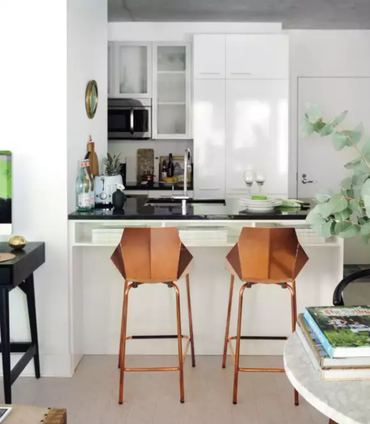 Image credit: Virginia Macdonald for House & Home 2. Add cubbies around your kitchen entrance. With this idea, you can turn the typically wasted narrow space into useful storage. The narrow cubbies are excellent for vases, cookbooks, and more. 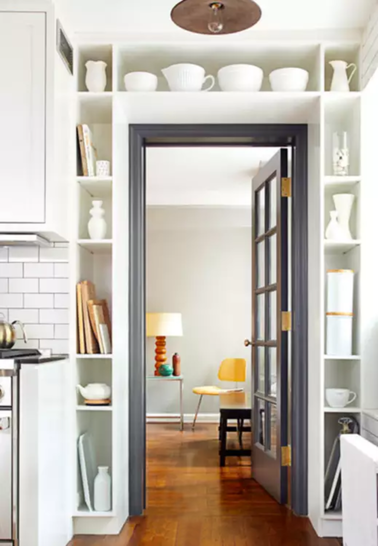 Image credit: Lauren Rubin Architecture 3. Install toekick drawers. No matter how big or small your kitchen is, toekick drawers are an absolute must. They transform previously unused space into the perfect storage for a short stack of pans, cookie sheets, linens, or pantry items. 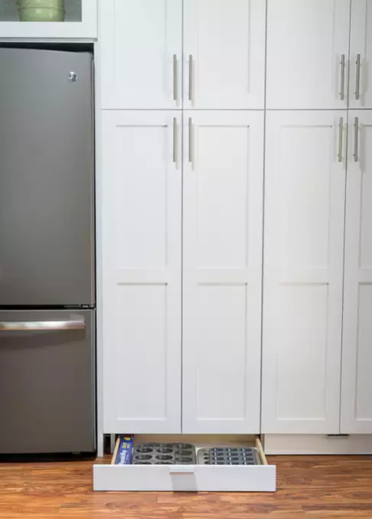 Image credit: I Wash You Dry 4. Build a pantry between the studs. If you don't have space to build out, build in. With a small kitchen, adding cabinetry can make the area feel crowded, however, utilizing the space between studs can be just the answer. Pantry built-ins are great for spices, tea boxes, and other smaller items. 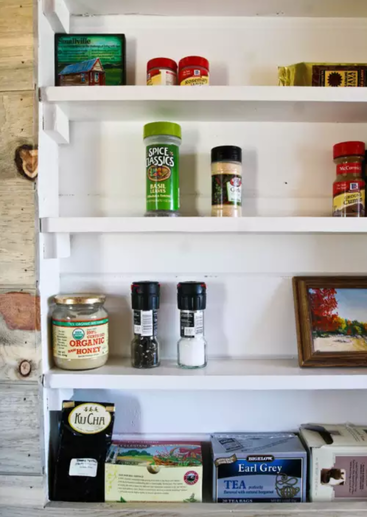 Image credit: Apartment Therapy 5. Utilize the space above your refrigerator. Too often the space about refrigerators either goes unused, or it's horribly unorganized. Adding shelving above your refrigerator can be just the answer for your larger items like pots, cutting boards, etc. 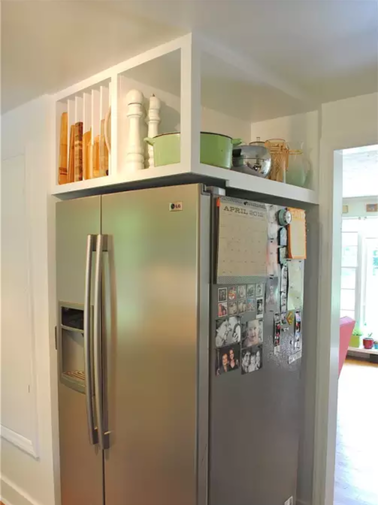 Image credit: Bev Cooks If your small kitchen is ready for an upgrade or if you have dreams of increasing its footprint, give us a call. We're kitchen remodel experts in the Eugene and Springfield area. Give Fort Rock Construction a call today at 541-767-1611.
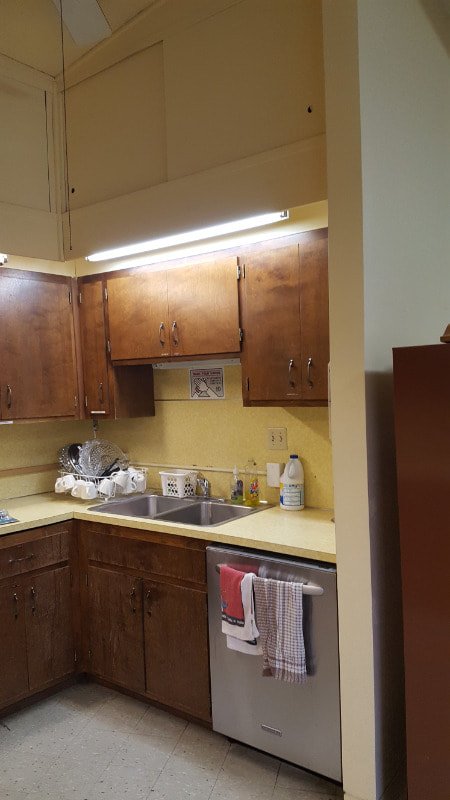
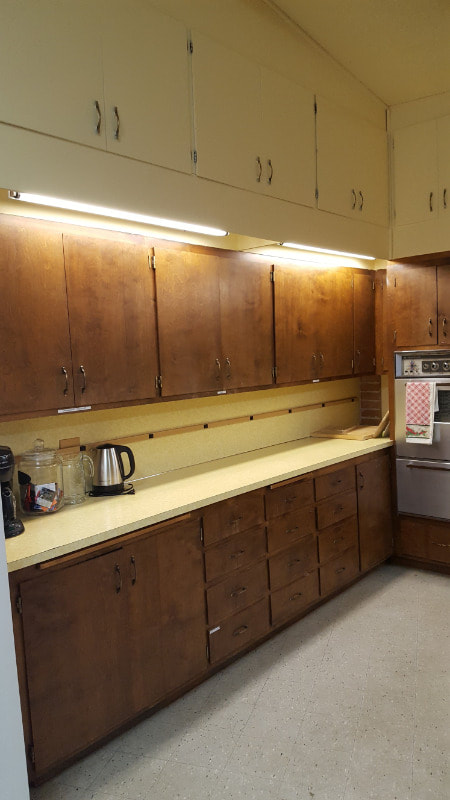
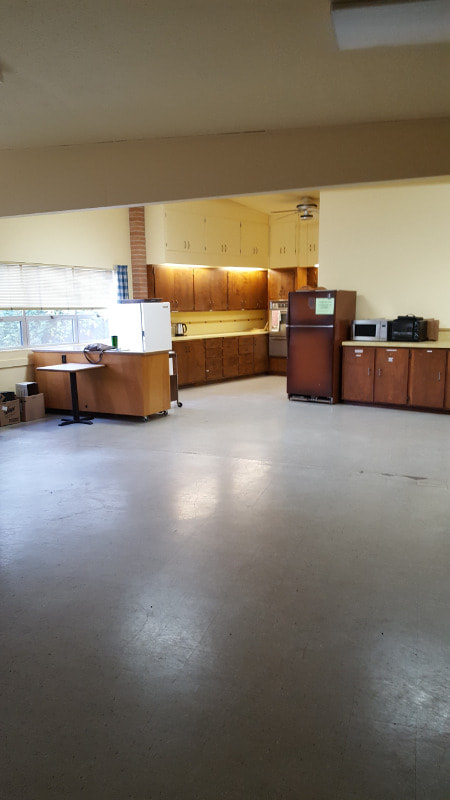
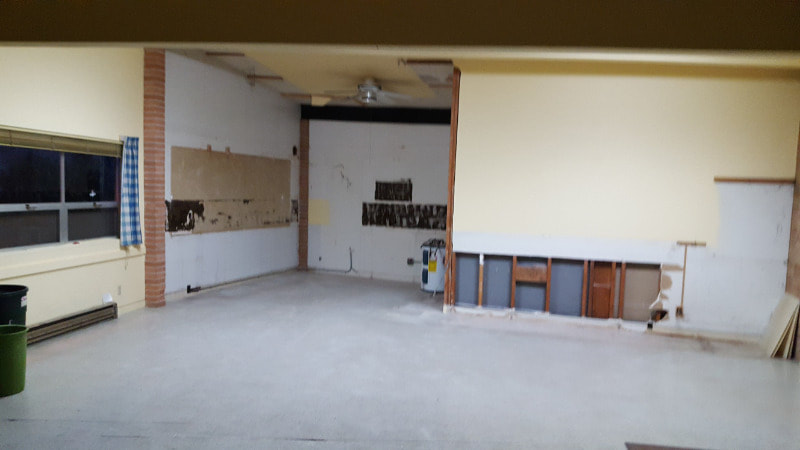
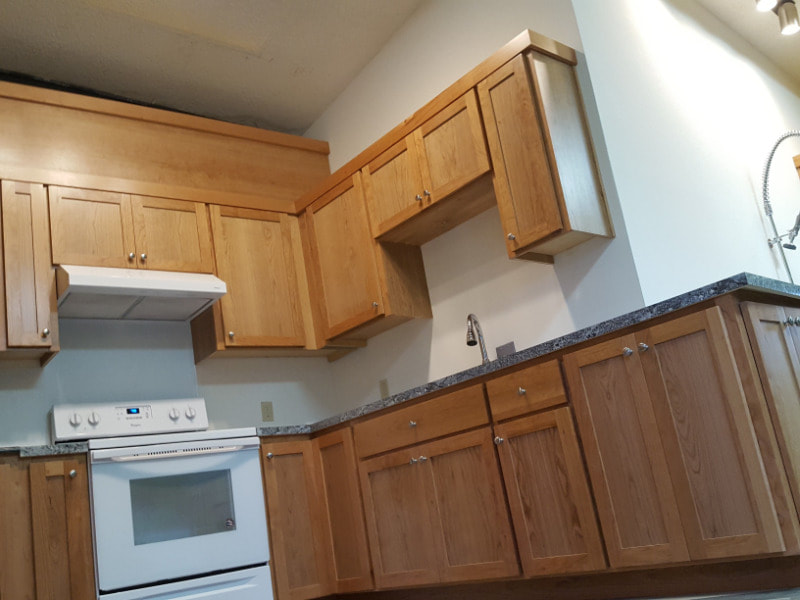
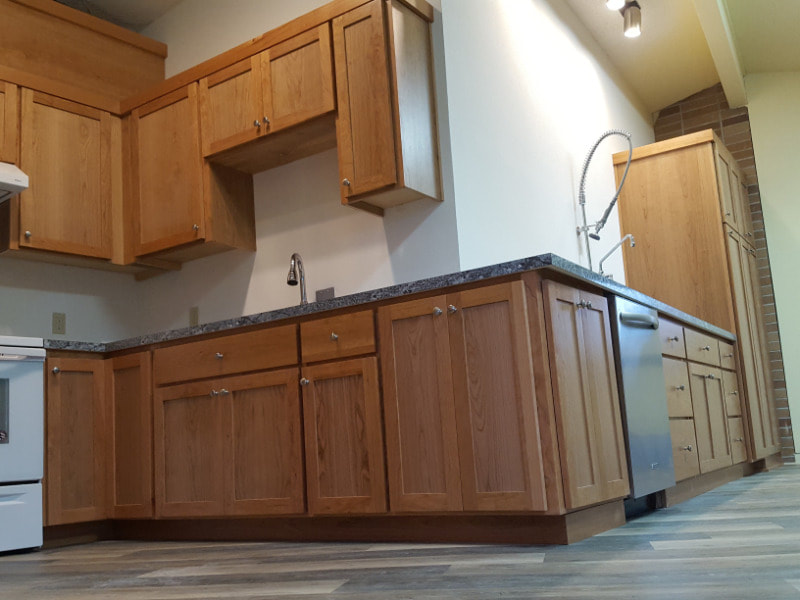
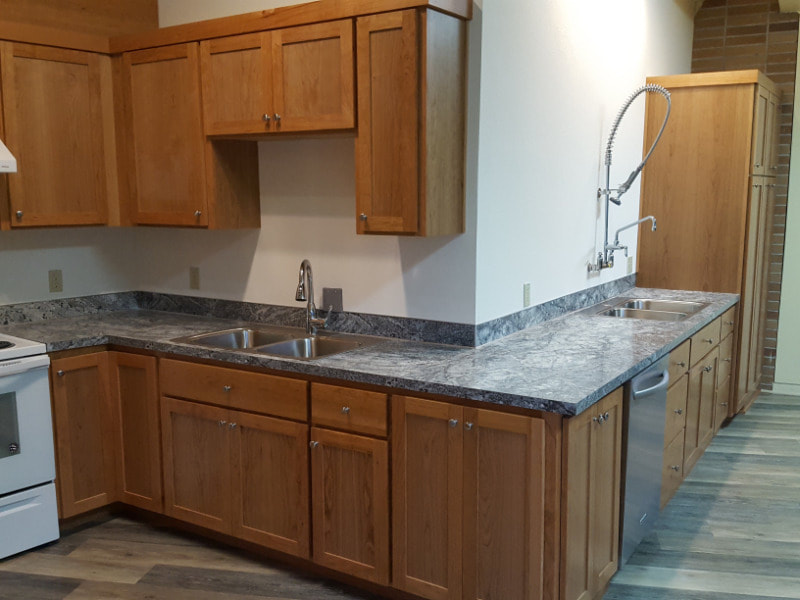
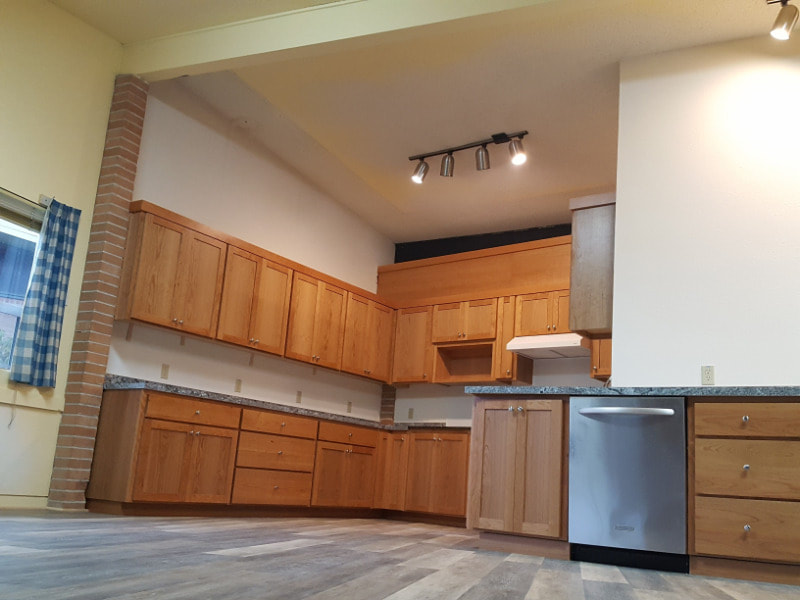
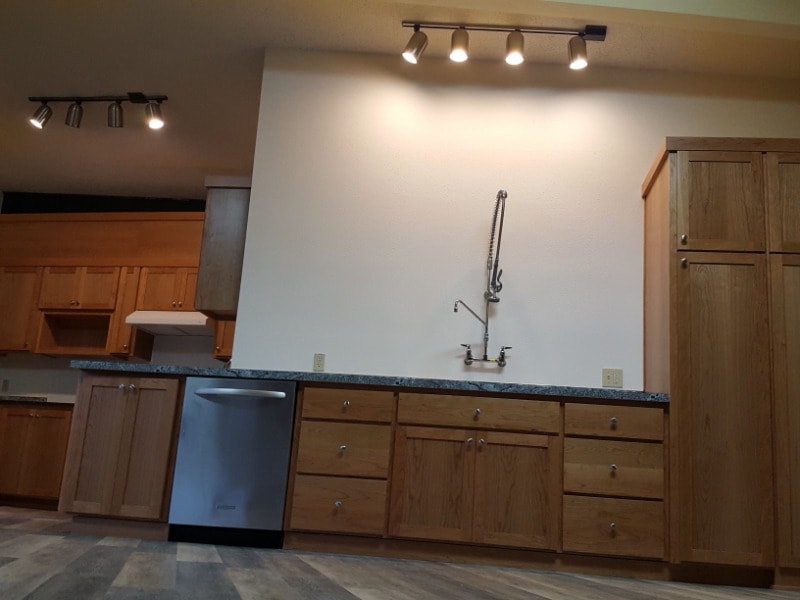
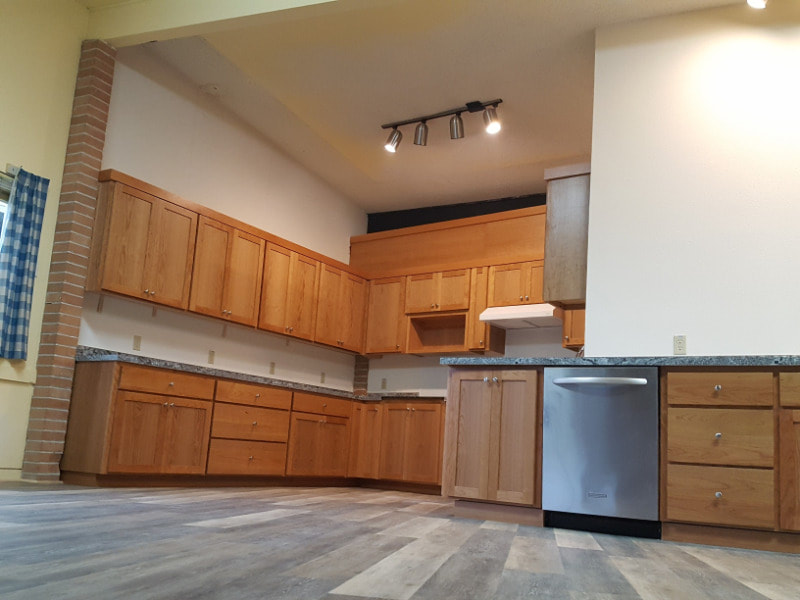
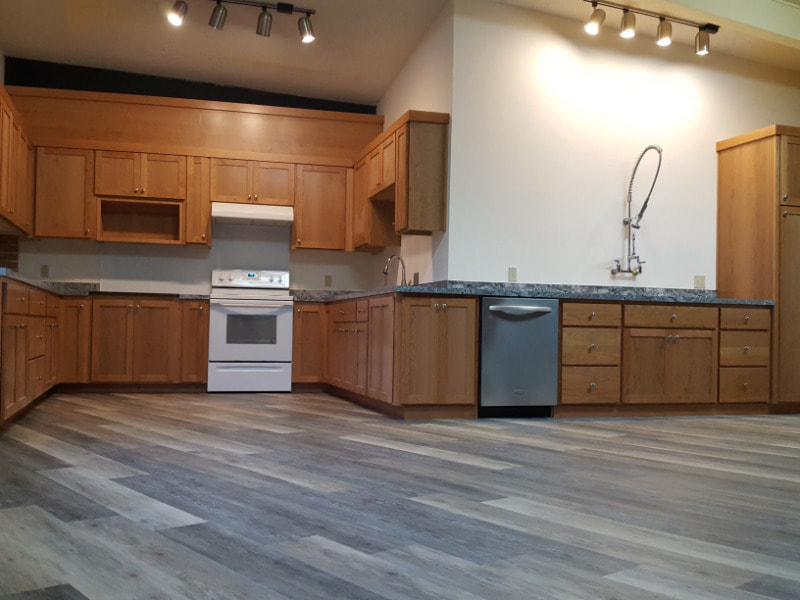
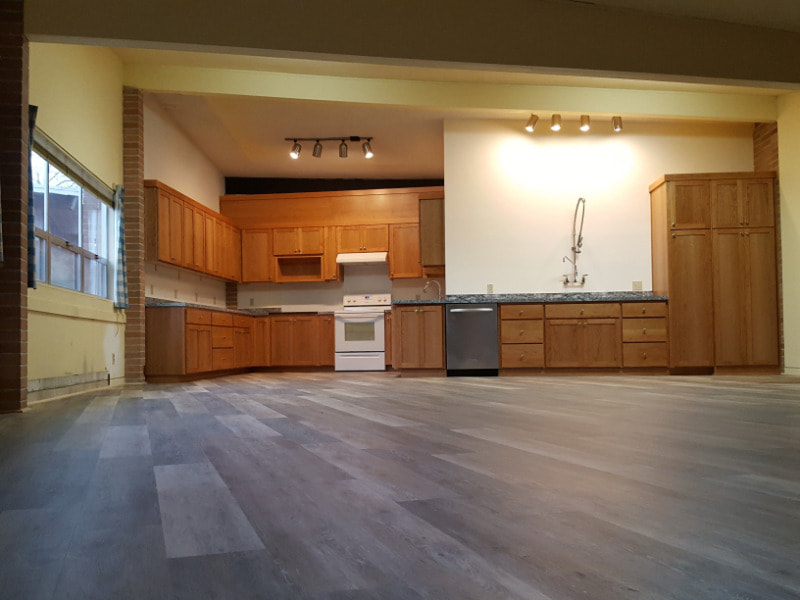
Eugene's Peace Presbyterian was in need of a new kitchen and workspace. We removed the old, dated kitchen and flooring and installed the new kitchen counters, cabinets and flooring, creating a more modern and functional space. If you have a kitchen in need of renovating, be in a residential or commercial space, give us a call. We can help. 541-767-1611 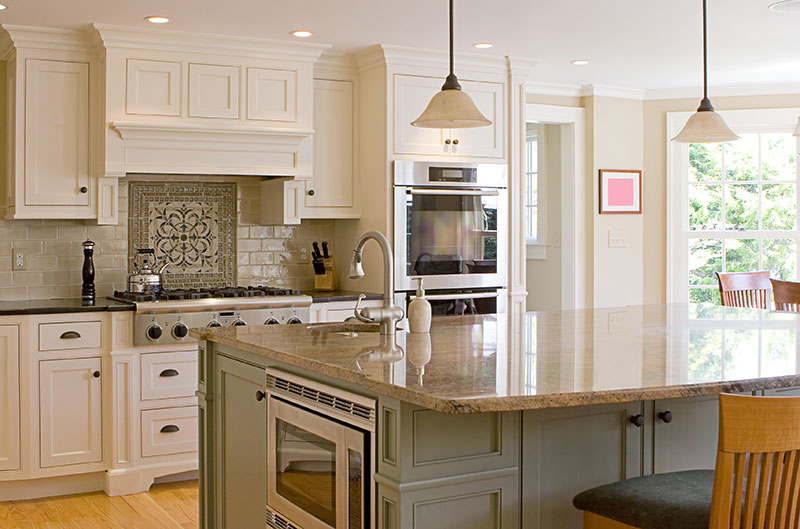 When it comes to renovating your home, the one room that makes the most significant impact is your kitchen. The kitchen is where we gather every single day for meals, connect with other family members, and relax. Because of its high usage, the kitchen is an area where most people want to keep up to date, or at least have some feelings about what they would change if they ever "redid the kitchen."
People have different reasons for wanting to update their kitchen. Some only want to renovate or remodel their kitchen to increase resale value, while others look to improve the flow so day-to-day use is easier or to bring the look into this century. Whatever your reason, know that remodeling your kitchen gives you one of the best returns on investment for your home. Here are a few reasons people choose to renovate their home:
If you decide a kitchen renovation is in your future, give the team at Fort Rock Construction a call. We've been working with homeowners throughout Eugene, Springfield, Cottage Grove and the surrounding areas since 2001. Give us a call today to schedule a free consultation at 541-767-1611. 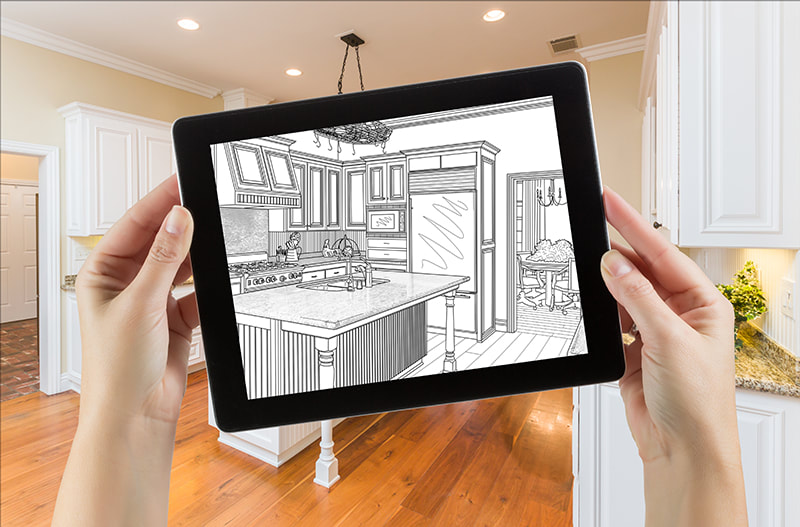 Image source: istockphoto.com Planning your kitchen remodel is no meager task. Depending on the extent to which you want to change your home's kitchen, a remodel can be simple or complex. Regardless of your route, there are five key things you'll want to take into consideration for your kitchen remodel.
Flow / Workspaces Before you start picking out the finish of your cabinets, take the first step to evaluate the flow of your kitchen. Does the current arrangement of major features work for how you use the space? Does it accommodate social gathering? Is it strictly functional for galley-style cooking? Do you have to walk extra steps between the sink, stove, and refrigerator? Could you benefit from having something shifted slightly to allow for more functional workspaces? Appliances After you've evaluated and determined the best footprint for your kitchen remodel, the next step is to look at the appliances you will want to incorporate. Do you love your stove but dream of a new built-in refrigerator? Working with your designer or general contractor, you can select the appliances for your kitchen. Storage Without fail, it seems there is never enough storage in any space, let alone a kitchen. Working with your designer or general contractor, look at how you can maximize storage in your design, accommodating the workspaces and appliances you've selected. Today's cabinetry has more options than ever before for creatively using each space and maximizing every inch for storage. Lighting Lighting your kitchen doesn't need to be a complex matter, but it is layered. You'll want to combine different types of lighting that will work best in each area. The most common mistake people make is trying to light their entire kitchen with one fixture centered in the ceiling. You're better off with a blended solution. Finishes Once your basics are in place, you can have fun selecting the finishes for each aspect of your kitchen remodel: cabinetry colors/materials, appliance colors, paint, tile, flooring, etc. If you'd like help, Fort Rock Construction has been helping homeowners in the Eugene-Springfield area with kitchen remodels since 2001. We're experts when it comes to remodels and would be happy to share our expertise with you so your kitchen becomes the room of your dreams. Give us a call today. 541-767-1611 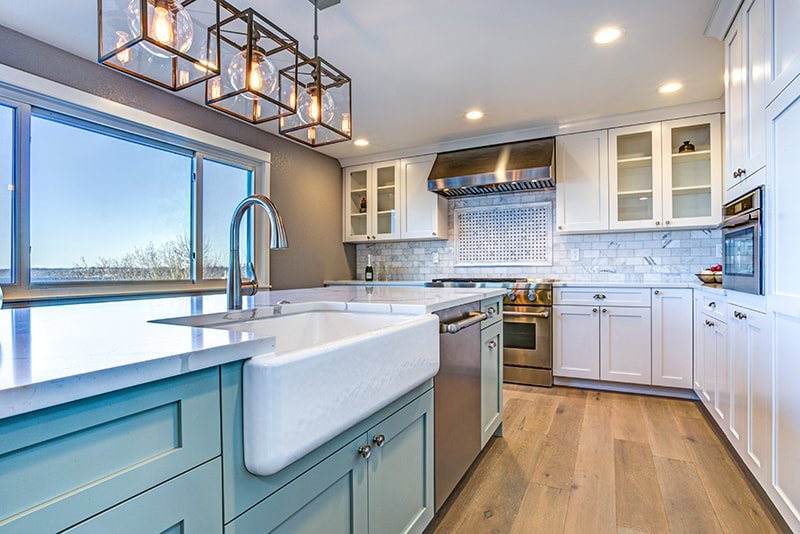 Image source: istockphoto.com For most people, the kitchen is one of the busiest and most utilized rooms in the home. As such, it's important that the lighting is conducive to different tasks throughout different times of the day and evening. One fixed-position light won't be sufficient for all needs, nor will having all pendants. According to designers, the best step forward is to blend your lighting, bringing together different options to create an overall lighting solution.
Keep in mind that the most effective lighting for the kitchen involves four layers blended together: task, ambient, accent and decorative lighting. To determine which type of lighting is needed where, start first with where your natural light is coming from. Do you have a window over your sink? What times of day does the light seem brightest? Identify where lighting is most challenged. Next, look at how you use your kitchen. Today, the space is often used for tasks beyond fixing meals. It can be a gathering place for eating, socializing, doing homework, catching up on emails, etc. Look at where you are for each task and evaluate the quality of light at different times. For instance, perhaps you have a peninsula that gets great light in the daytime for doing homework but is dim in the evening because other lighting is far away. Maybe you could benefit from a focused light over your sink so you can see what you're doing while washing dishes. Or, perhaps you could use some ambient under-the-counter lighting to ease in visibility at night for those midnight drinks of water. Last, once you've determined the types of lighting you're working with, and where lighting is needed, you can start to look at types of lights. Working with a designer or kitchen remodel expert can help you find a blend of fixtures that will work with your overall design. Lighting comes in many forms. You can consider the following:
As you work on your kitchen remodel, Fort Rock Construction can help you walk through these options to meet your needs best. We've been doing expert kitchen remodels in the Eugene, Springfield, Veneta, and Cottage Grove areas since 2001. Give us a call today to discuss your kitchen remodel 541-767-1611. If you're looking to do a kitchen remodel, one of the most prominent features will be your countertop. While beauty is a key consideration, it would be wise to also take into account the ease (or lack thereof) of maintenance. After all, not all countertops are created equally. Hands down, engineered stone is the easiest to maintain as it is a solid surface solution, it won't stain, and it is non-porous. You can do just about anything to these countertops and the chance of any real damage is minimal. In addition, because engineered stone comes in an enormous array of colors and patterns, you can select one that meets your esthetic AND hides any imperfections such as minor scratches or marks. There are several popular brands and we can help select just the right option for your home. 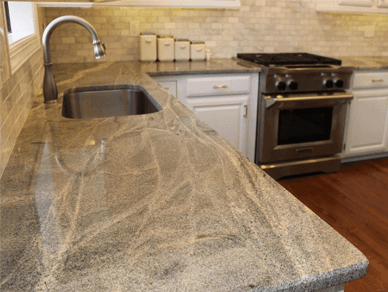 Another popular option is laminate. But we're not talking laminate from the 70's or 80's. Today's laminate will make your head turn. It's incredibly versatile, less expensive than other options, and it has a 'wipe and go' maintenance plan. We'd be happy to show you today's laminate — you'd be amazed by the choices available. 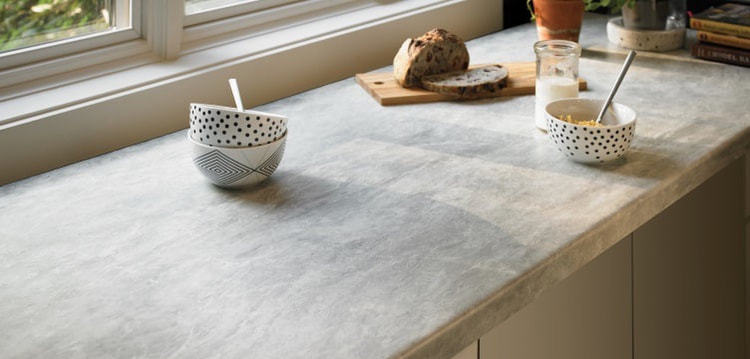 Last, but not least, zinc makes for a beautiful, modern countertop with also low maintenance needs. While stainless steel will leave you wiping up every fingerprint, zinc darkens over time, developing a gorgeous patina. It is also non-porous and bacteria-resistant, needing only a quick wipe-down to be cleaned. 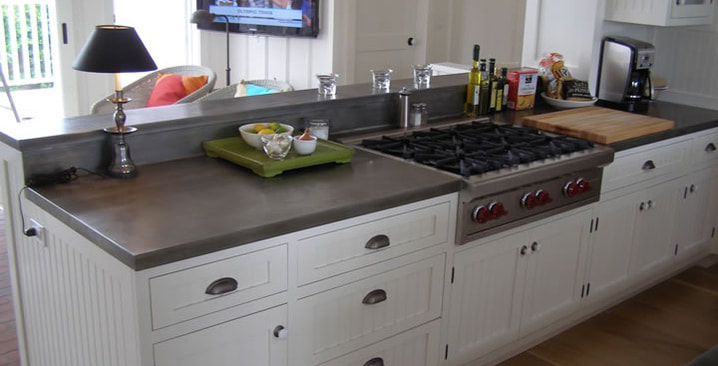 If you live in the Eugene, Springfield, or Cottage Grove area, we'd love to help you with your kitchen remodel. At Fort Rock Construction, we're experts at kitchen remodels and can help you turn your vision into reality. Give us a call today. 541-767-1611
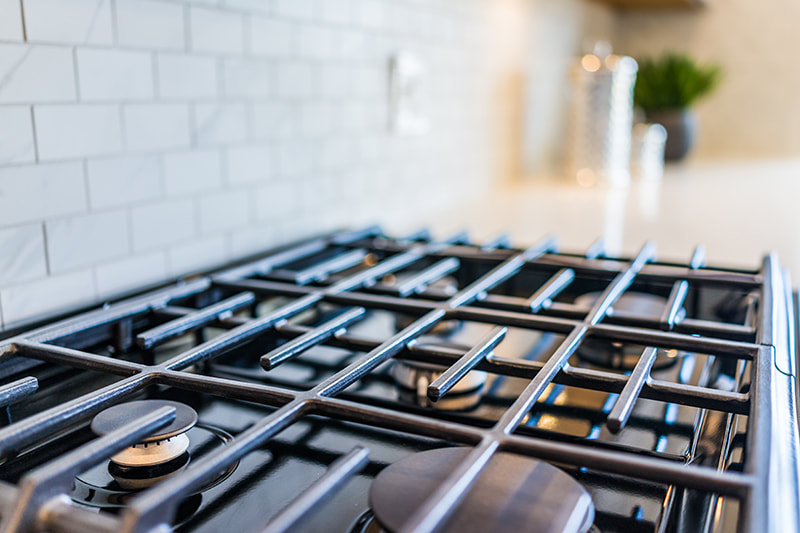 If you're planning a remodel for your kitchen to accommodate ADA or general accessibility issues, choosing appliances and determining where they get placed are key decisions. Remember, it's about removing barriers and increasing convenience so that your space is not a source of frustration. Accessible appliances have certain characteristics in common, but typically their designs could fit right into any home.
Here’s what to look for when you go shopping and for when you’re planning the layout of your kitchen: Cooktop — For easier use, it is best to have your cooktop separate from your oven. This separation allows for space to accommodate legroom beneath. Also, a cooktop with front controls prevents having to reach over hot burners. Staggered burners also minimize the risk of injuries. Oven — When it comes to selecting an over, wall ovens are ideal because their placement height can be customized to meet your needs. If you're in a wheelchair, a side-hinged model can be helpful. Refrigerator — When choosing a refrigerator, choose a model with a bottom, pull-out drawer freezer as this provides the most accessibility, but side-by-side models are also popular. You'll want to check that controls are low enough to be reached from a seated position and that they are simple to use. Microwave — When considering where to place your microwave, over the stove is not ideal. Instead, plan a space that is at or just under the counter height. Dishwasher — While most appliances are lowered for accessibility, you'll want your dishwasher raised from standard installation height. This adjustment makes access more comfortable for seated persons. For placement, make sure you have ample space on either side. Racks must move smoothly with little pressure. Certified ADA-compliant appliances must meet more specific criteria than these generalized descriptions, but this is intended to give you an idea of what to look for and ask for when shopping. If you need assistance with planning your kitchen remodel, please give the Fort Rock Construction team a call. We're experts in accessibility design and would love to help create a space you can enjoy. 541-767-1611 |
Our Blog
Tricks of the construction trade, inspiration for your next project, and highlights of completed projects. Categories
All
|





 RSS Feed
|
Fort Rock Construction — Licensed, Insured, Bonded: CCB #140699
phone: 541-767-1611 // fax: 541-767-3005 Mailing Address: P.O. Box 1713, Cottage Grove, OR 97424 Auxiliary Address: 1574 Coburg Rd #872, Eugene, OR 97401 © 2017-2019 Fort Rock Construction. All rights reserved. |
|