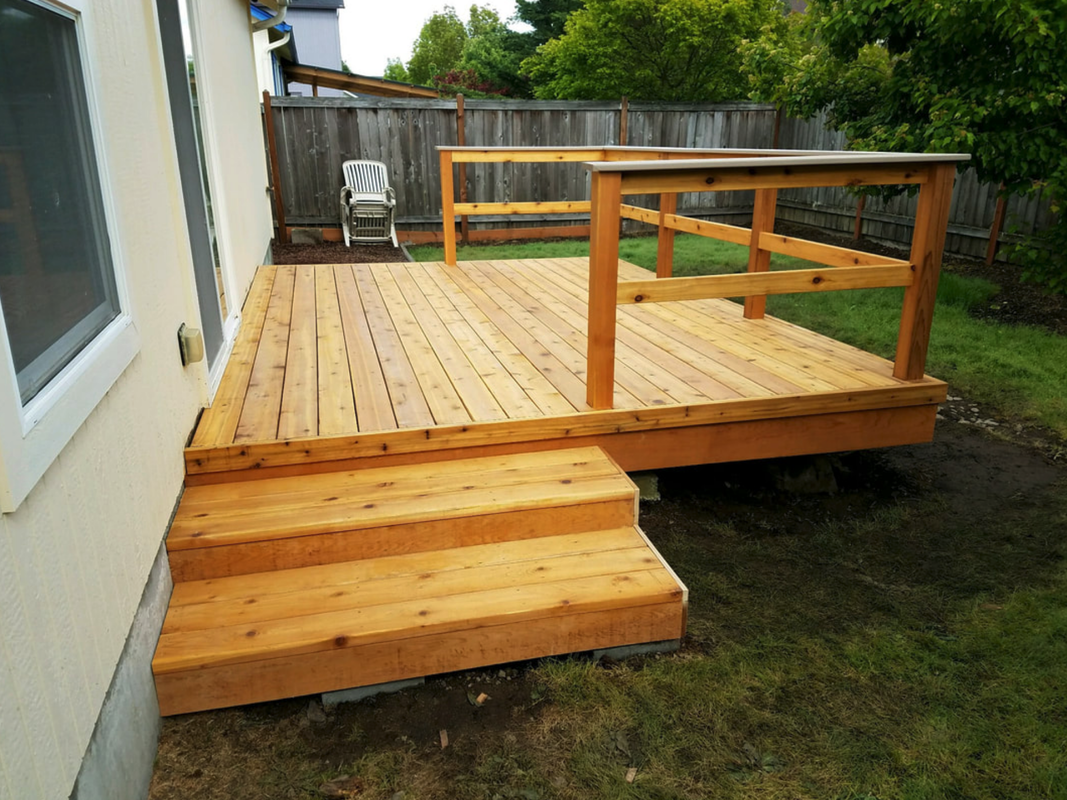
 With spring around the corner, wouldn't it be nice to have a deck for your home? Decks are a versatile addition providing livable outdoor space as well as adding to the value of your home. Decks can be built in a variety of sizes and styles and choosing which is going to be best for your home can be difficult. This is where we can help. Here are tips for designing a great deck for your home.
Plan for the Way You Live Start with general ideas of what the deck can do to make life more enjoyable. How will you use the deck? Will it be for social gatherings or intimate dinners? If you love to grill, would you like it to include an outdoor kitchen? Make sure to ask family members what ideas they have for a deck to see if you have the same or different goals so most, if not all, of everyone's wants and needs can be considered. Shape and Size Some say that a deck should be no larger than 20 percent of your home's square footage, so as not to be out of proportion. But, this is not a hard fast rule. If you plan on spending a lot of time using your deck, and if it is sectioned out, even a larger deck can still feel just right. In terms of shape, you can never go wrong with the standard rectangle, but adding other angles or curves to the shape of your deck can make a nice deck really pop. If you want to take this approach, consider repeating those angles and curves at various places or in different sizes to the deck feels like it has a theme. Connect the House and the Yard When building a deck, you might opt to go with a style that blends with your house, or you might choose to make the deck stand out on its own, creating its own space. Either way, be sure to consider the transition from the deck to your yard. Will there be steps? Will you surround it with plants or maybe rocks? If the deck is low enough you might not be required to have a railing, and if that is an option, do you want a railing? Will the deck connect to a patio or other hardscape? Plan for Traffic Once you’ve figured out the priorities for your deck, plan for enough space to accommodate your activities and traffic of those coming and going. If you plan to add furniture to your deck, make sure what you purchase is in the proper scale for your deck's size. Keep in mind that pathways for traffic might not always become apparent until after you have furniture in place. For instance, if your deck is on the smaller size, you might not opt for the large covered patio set; perhaps a couple of open chairs and a side table would be a better fit. What Do You See? Wherever you plan to construct your deck, spend some time looking at what your view will be. Do you like what you see? If your deck is going to be overlooking a neighbor's yard, do you want some added privacy with a solid wall or railing? If you are going to have a gorgeous view of the sunset, maybe an open railing or glass panels would be great options. You could even step down the deck so railings will be below your sightline. Vertical Elements Typically when most people think about a deck, they envision a single, flat surface. But really, a deck is much more than that. Once you consider vertical elements like the railings, any coverings, and even how the deck is wrapped (the skirting), your deck can take on a whole new dimension. Take your time choosing each of these elements because your deck can gain a lot of personality through these choices. Overheads and Planters Being in Oregon, an important consideration for your deck is if you want the ability to enjoy your deck, rain or shine. If you only plan to use it in the dry months, a pergola can provide shade and a great place to showcase climbing plants. If you want protection from the rain, a solid covering is the way to go and there are a variety of materials that can be used including semi-transparent coverings, reclaimed materials, and traditional shingles. In addition, planters make for great accents on decks, whether they are along railings or benches or surrounding the edge of your deck. The Right Cooking and Noshing Spaces If you love to cook outdoors and like interacting with people as you grill, why not add an outdoor kitchen with a counter and space for cooking appliances. You might even want to include an eating counter with stools just opposite the cooking area, so people can snack and socialize while you cook. If you’d rather keep food prep simple, you may want to make a small alcove off to the side, with just enough room for a grill. Materials You Will Maintain and Enjoy For the finish materials – the decking, railing, fascia and perhaps skirt – many people choose composites, PVC and other materials that are low maintenance. Others prefer to build with inexpensive treated or (somewhat less inexpensive) cedar. Wood surfaces often need to be pressure-washed and sealed once a year. But, if you prefer the natural look and don’t mind regular maintenance, it may be the right choice for you. At Fort Rock Construction, we have helped homeowners add decks to their homes throughout Eugene, Springfield, Cottage Grove, and the surrounding areas. If you are thinking a deck would be right for your home, please give us a call at 541-767-1611. We would love to help you see the possibilities and create an outdoor space perfect for your home.
0 Comments
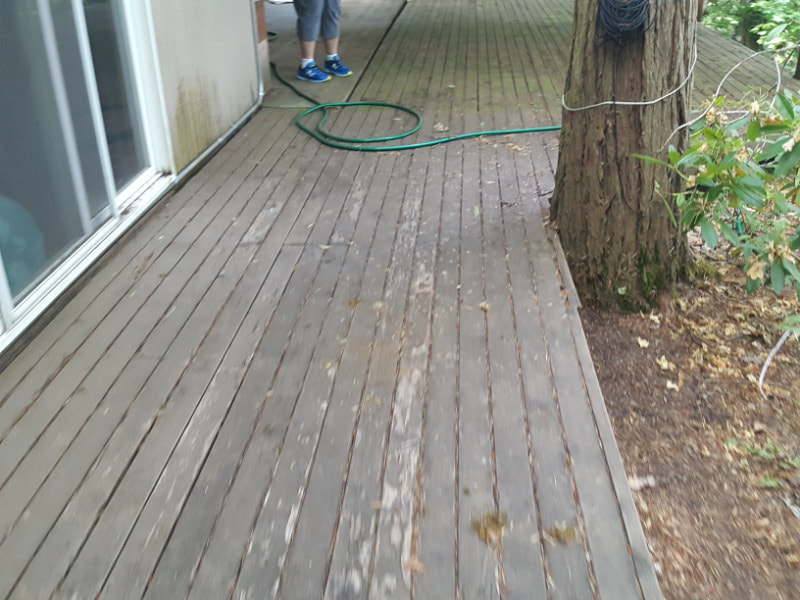
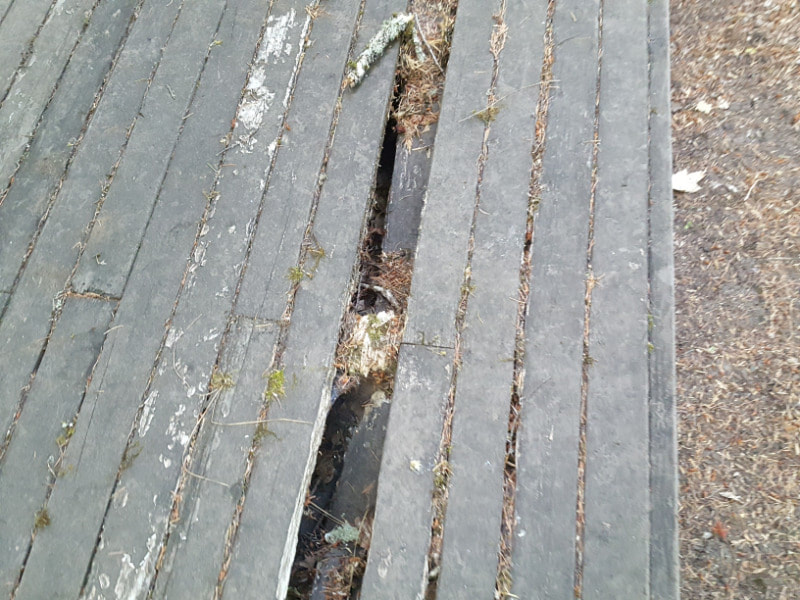
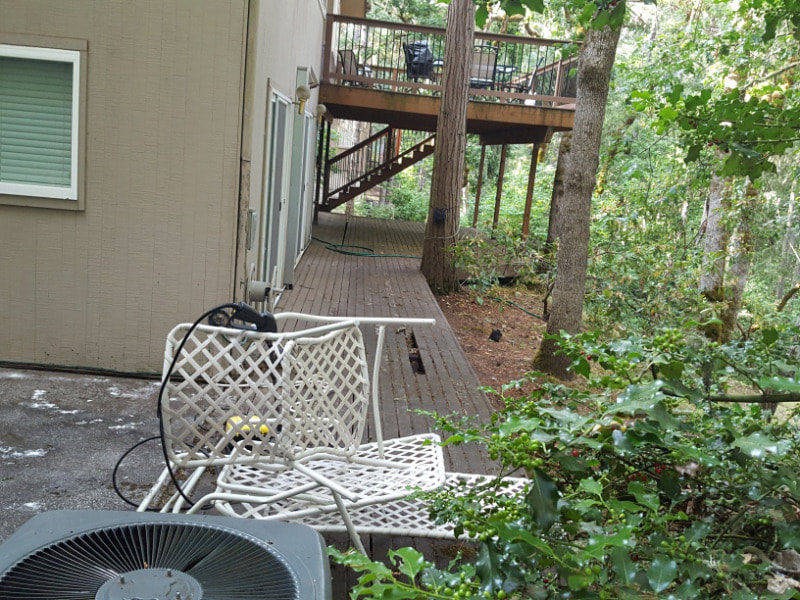
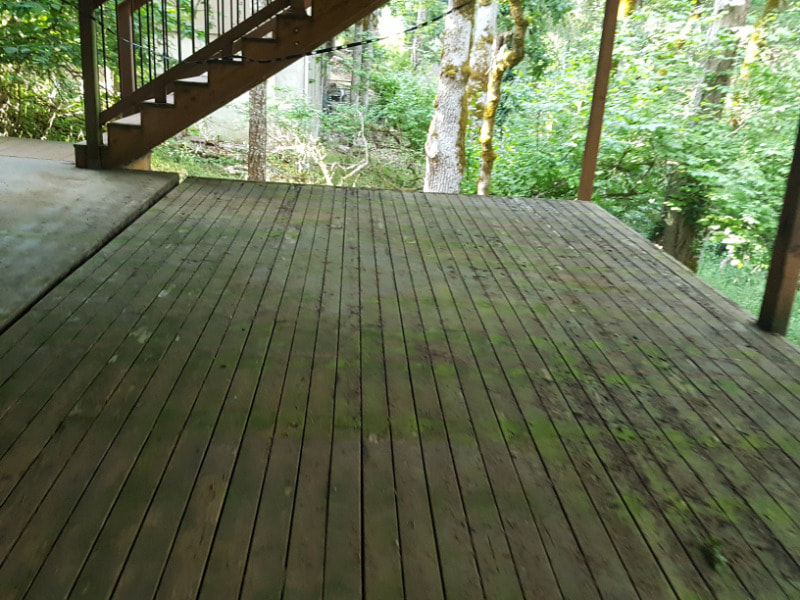
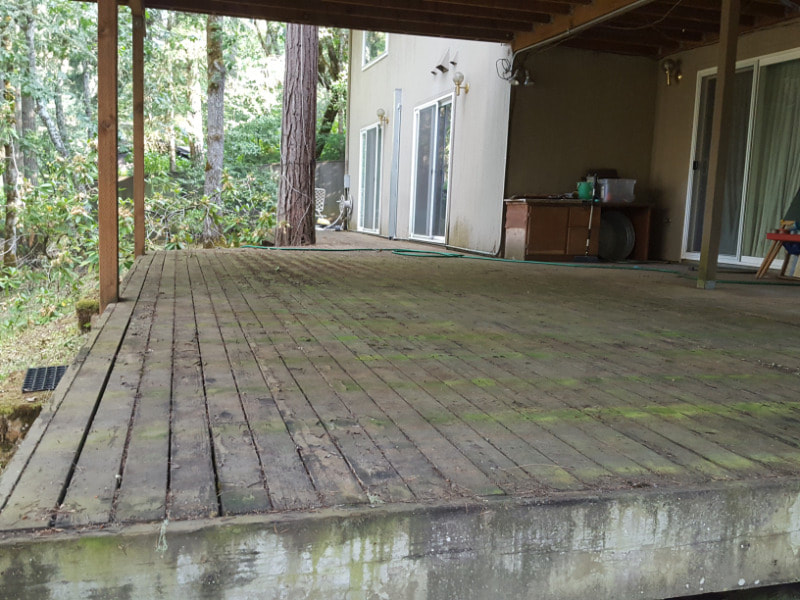
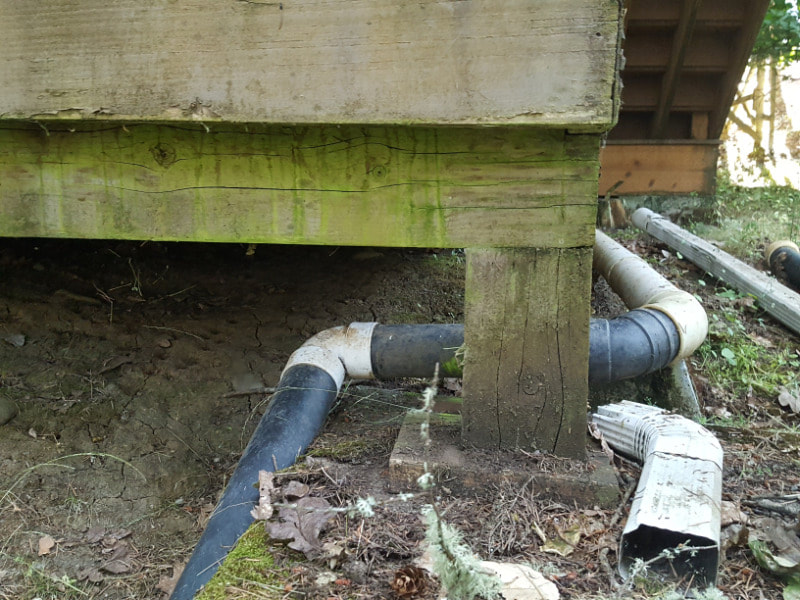
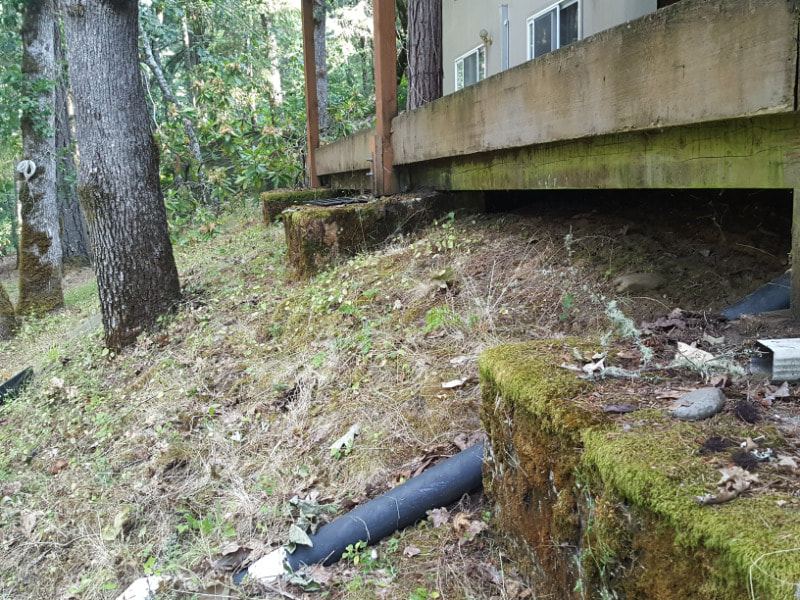
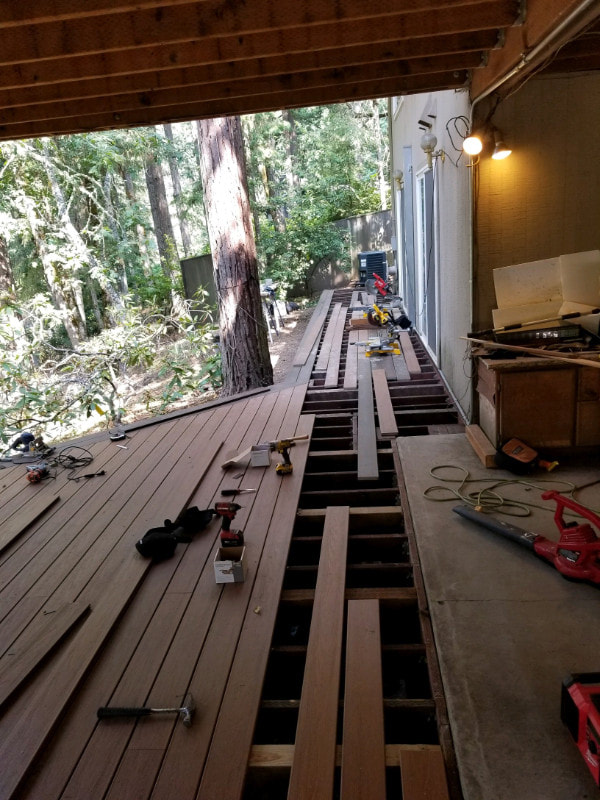
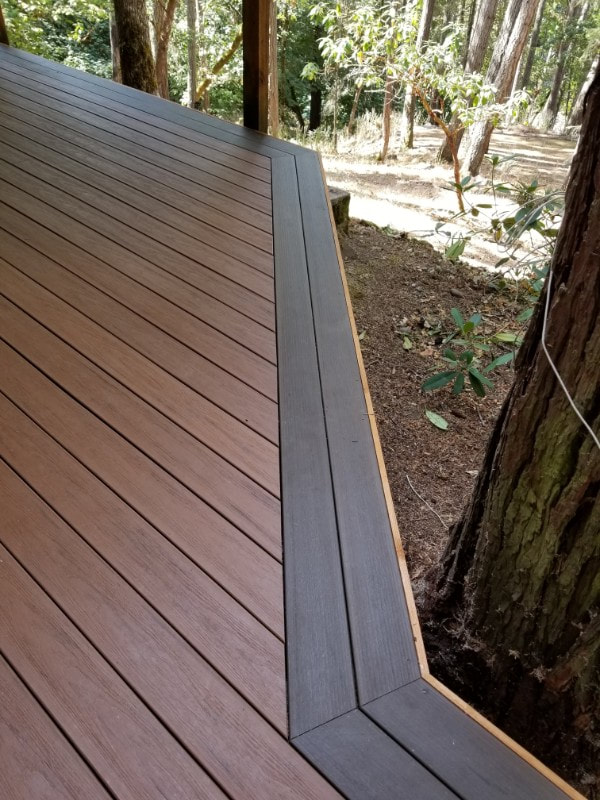
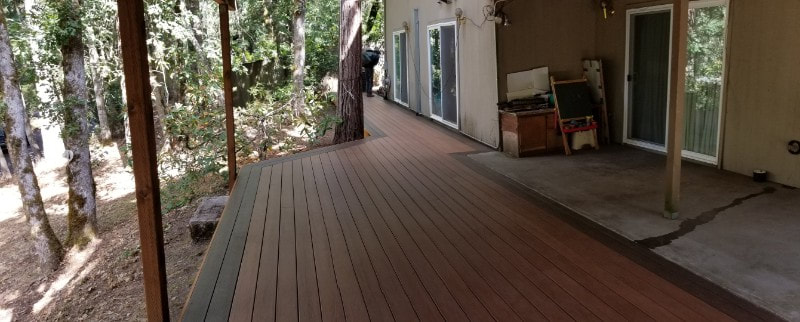
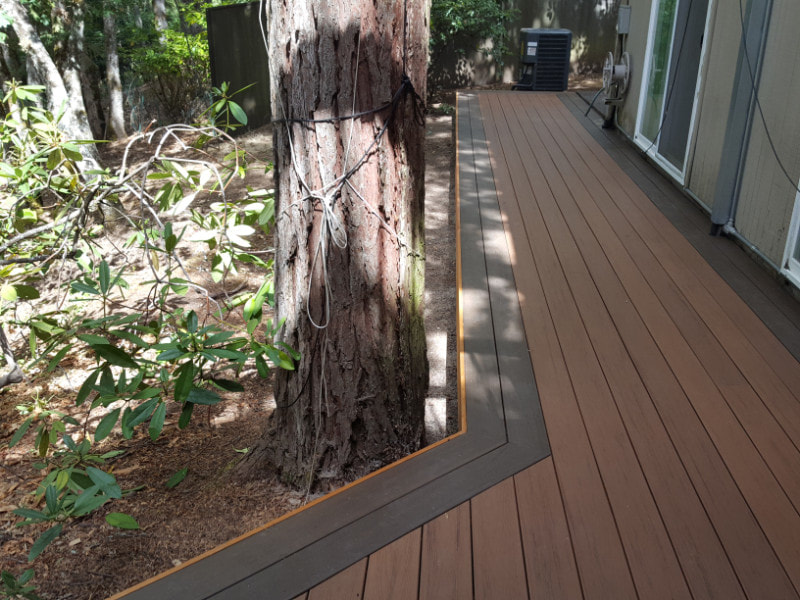
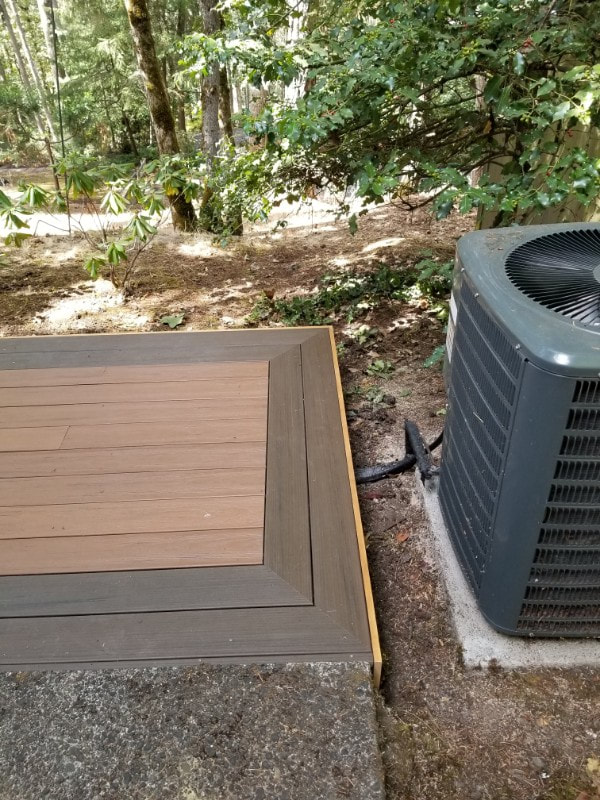
Decks add livable square footage outside of your home and can be one of the most utilized gathering places, especially during the non-rainy months. But, like other areas of your home, your deck will need some serious TLC after years of use. For example, we recently removed and replaced a deck for a homeowner in Eugene, Oregon. The home has two decks, one above the other. Unfortunately the lower deck began failing. The lower deck was built on pier pads and was not attached to the house. Over time, water runoff eroded the deck and began pulling it from the patio. In addition, the deck was built too close to an old growth tree, the decking was rotting out, and it was not ‘spanned’ correctly. To correct these issues, we built a form to pour concrete below the undermined patio, and we dug ruts for water runoff. Next, we laid plastic under the deck and attached a ledger board to the house and patio for the deck, keeping them together. Finally, we then framed the deck to the correct span by adding two joists between each beam. The finished result is shown below. If you are looking for deck repair, deck replacement, or if you'd like to add a new deck to your home, please give us a call. Fort Rock Construction has been helping homeowners in the Eugene-Springfield area since 2001 and we would love to work with you, too. Give us a call today at 541-767-1611. 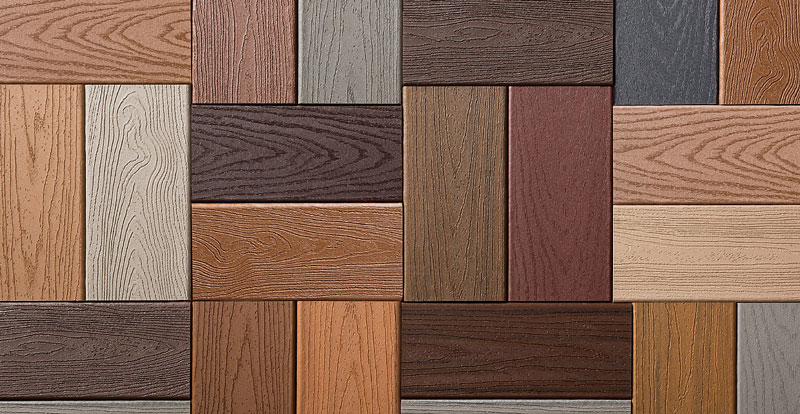 If you're looking to build a deck for your home, your biggest decision aside from design is what material you should use. There are several options available, each with their advantages and drawbacks. Here are a few options to consider:
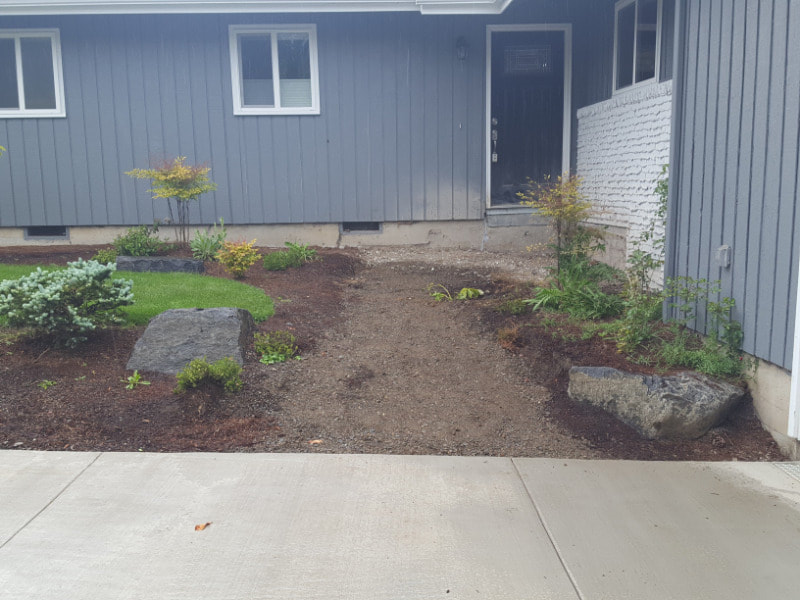
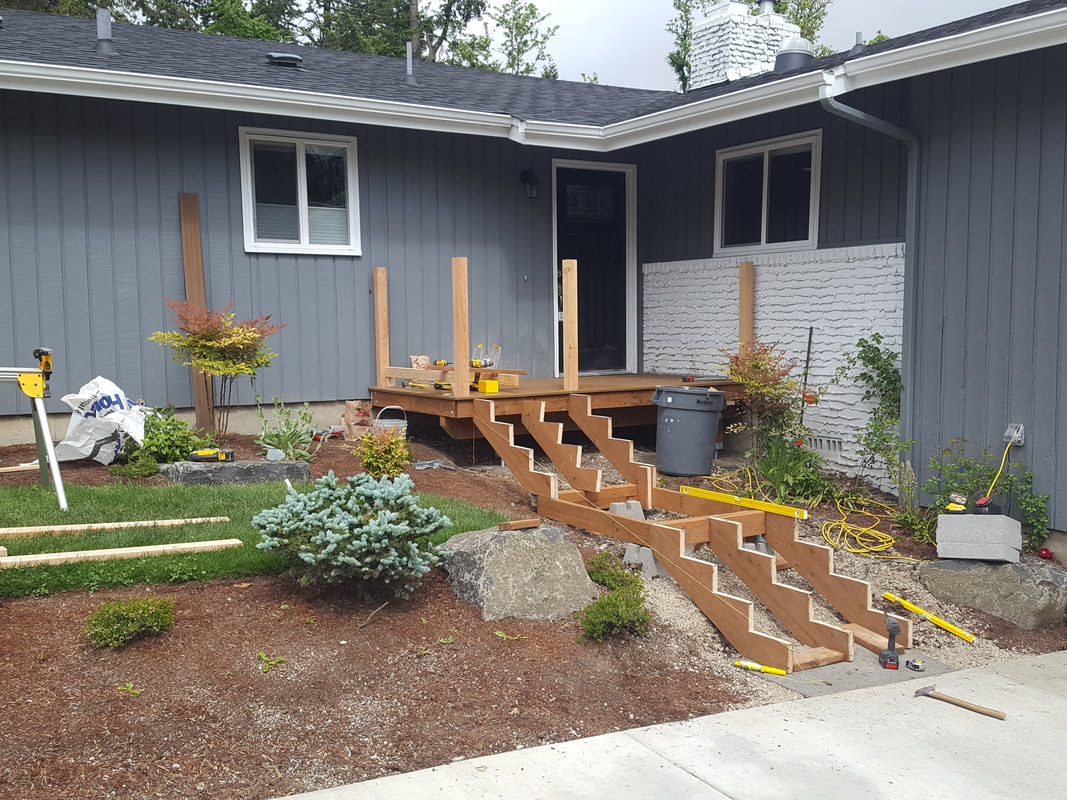
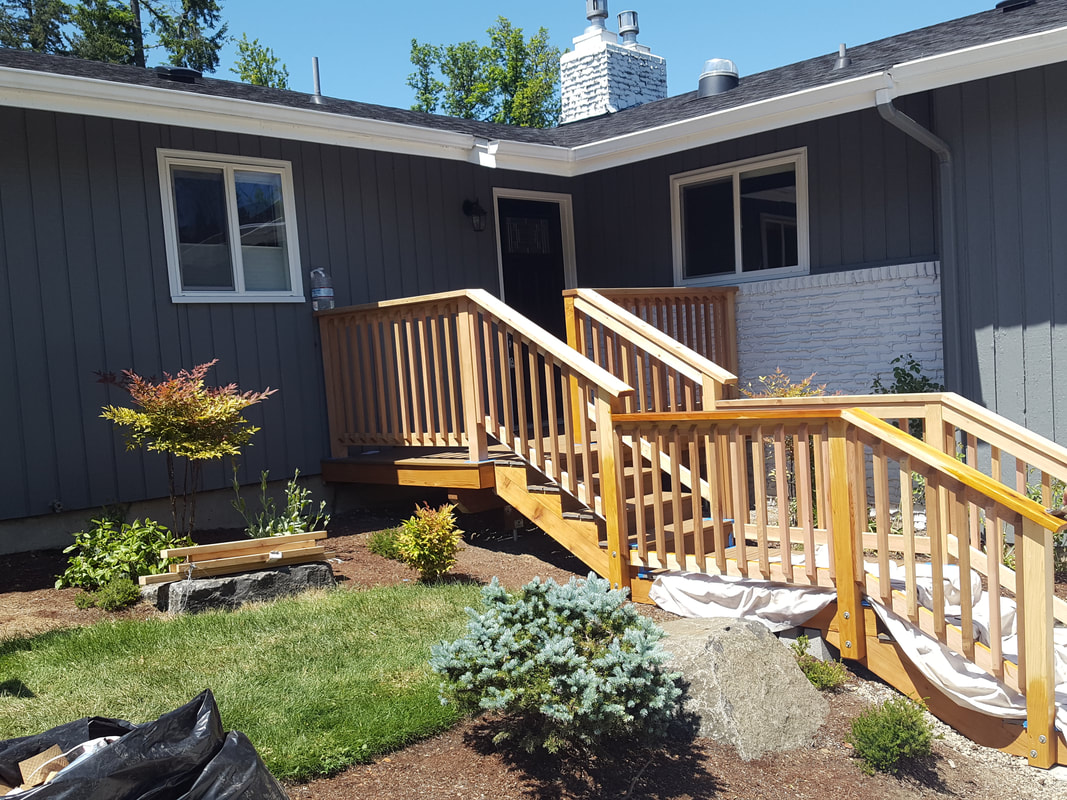
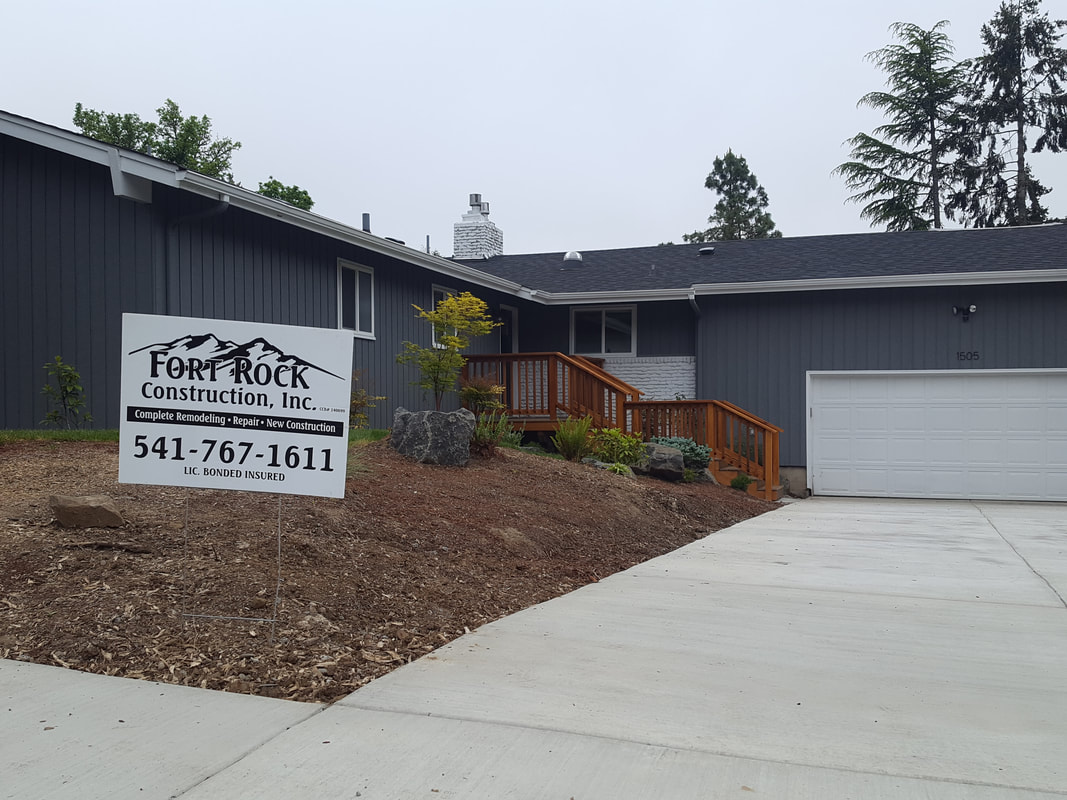
Pressure-Treated Lumber Even though there are many different types of materials to use, pressure-treated wood is most common, being used in approximately 75 percent of all new decks. The reason pressure-treated lumber is popular isn't a mystery: it's readily available, affordable, and easy to cut for use with nails or screws. One of the advantages of this material is that it is chemically treated to resist fungus, bugs, and rot. However, pressure-treated lumber can tend to be dimensionally unstable -- sometimes splitting, warping, and cracking. Additionally, if your deck is made from pressure-treated wood, it will need routine maintenance in the form of power washing and applying a wood-stain to preserve the deck every two to three years. Redwood and Cedar If you want to stay away from as many chemicals and preservatives as possible, natural woods like redwood and cedar are perfect for you. Redwood and other cedars are both sought after for their deep, rich color and natural look without the use of chemicals. Natural woods tend to stay healthy due to their oils and resistant properties. However, these resistant properties are related to how much heartwood is involved in your deck. Heartwood comes from the inner section of the tree and is very resistant to rot and decay. If you're looking for the most resistant and long-lasting variety of cedar, you'll want architect clear, custom cedar, architect knotty, or custom knotty. Composite Composite decking materials are made from a mixture of plastics and recycled wood materials. People choose composite decking for its durability, weight, and overall low maintenance needs. Although looks have come a long way, composites still have a reputation for looking “fake.” Over time, age will show and without proper reinforcement, composite decks are subject to sagging. Another thing to consider is the price which can be 60-70% more than traditional wood decking. If you're interested in building a deck for your home in the Eugene or Springfield area, please give us a call. We're experts when it comes to building decks and can help you choose the best material for your project's needs. 541-767-1611 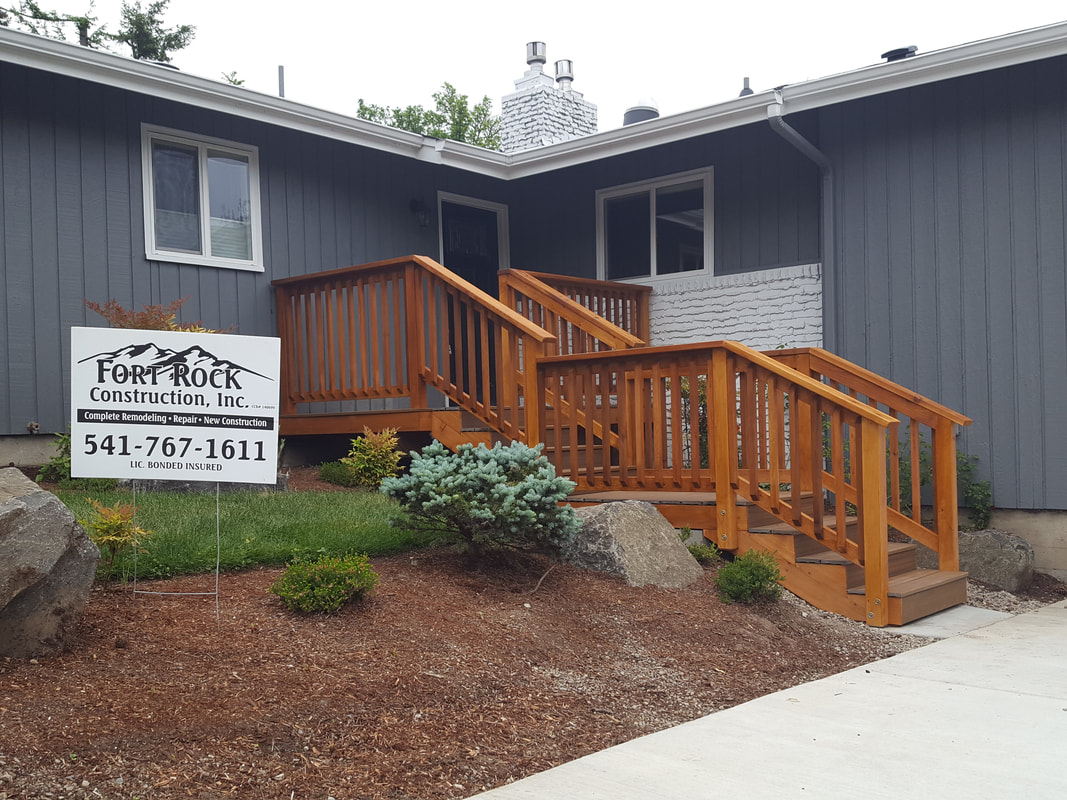 We recently completed a new deck and stairs for a homeowner in Eugene, off Lorane Hwy. This is after foundation work and excavation. We came in and installed everything from new footings, pressure treated frame, composite decking and steps, cedar railings and spindles with a coat of clear sealer. Enjoy these before and after pictures!
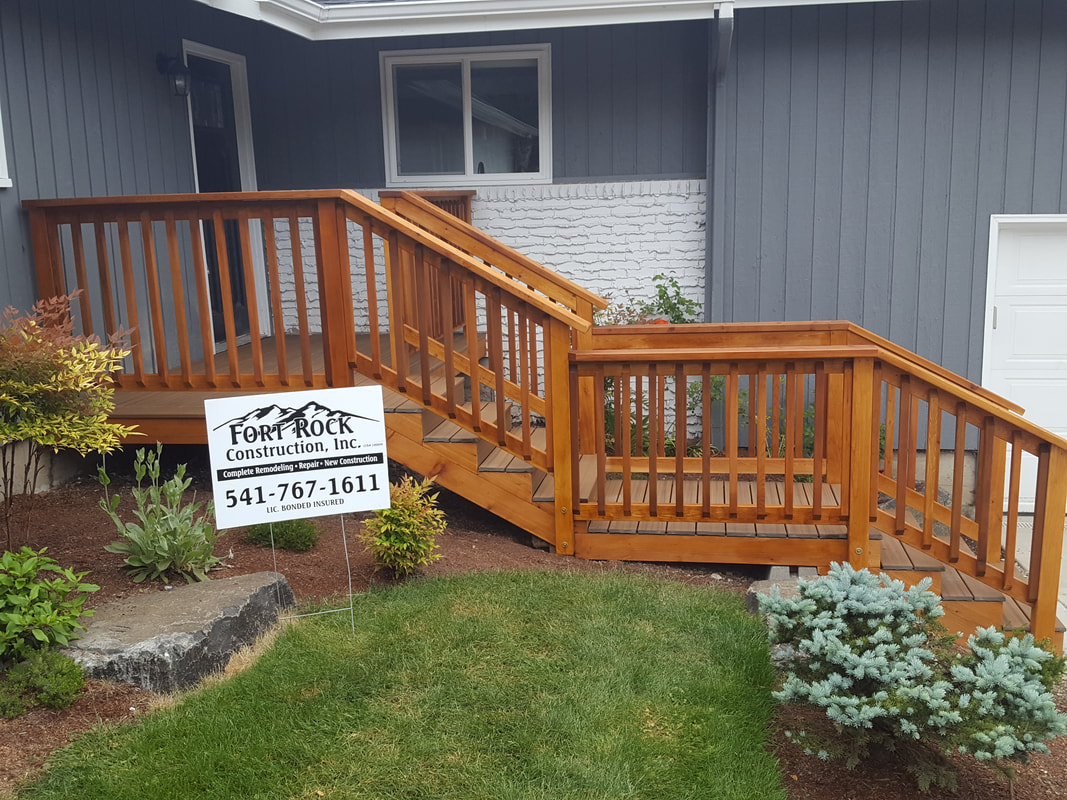 Your deck is one of the more essential components to your house’s exterior. Not only does it add great value to your home, it also improves your own living experience (when the weather permits). The importance of your deck to you and your home should make protecting it a priority. Even if your deck is made of pressure-treated lumber, redwood, cedar, or some other durable species, it’s at risk. The Northwest is known for its moisture and humidity, which could spell a number of problems for a deck. Even sunlight can damage your deck, causing discoloration and hastening the break down of wood. Whether you want to take care of your deck on your own or pay for assistance from a professional, here are some important things to know.
It’s very important to keep your deck clean before or during the treatment process. Dirt and mildew buildup can cause discoloration in the wood if you try to treat it prematurely. Clean off debris with a leaf blower and wash it off with thereafter with a low-pressure power washer or hose. . You can find wood deck cleaners at a local home supply store and you can also find treatment options for stains on the wood as well. Thereafter, you will want to apply the sealer and protectant. Start with the railings first and then work your way down to the floor of the deck. You will want to prevent interaction with the deck after this process so the wood can dry thoroughly. You will want to periodically treat your deck after the initial cleaning to keep the quality of your deck intact. Some decks, no matter how much time and effort you put into them, cannot be saved. Whether it’s untreatable wood or a termite problem, there are a number of different reasons to look at a new deck. You may also want to install a new deck because you just don’t like the layout or size of your old one. Perhaps you don’t have a deck and want to have one installed. Whatever your wish may be, contact Fort Rock Construction to help you install the deck you want. Pressure-Treated Lumber
Even though there are many different types of materials to use, pressure-treated wood is used in approximately 75 percent of all new decks. The reason PT lumber is popular isn't a mystery: it's readily available, affordable, and easy to cut for use with nails or screws. PT lumber starts out by being milled from Southern Yellow Pine and then chemically treated to resist fungus, bugs, and rot. Most people buy PT wood in two by six and and one-and-a-quarter by six inch dimensions. You might be wondering why wouldn't purchase pressure-treated lumber, but the reason being is it isn't dimensionally stable. That means that it has a tendency to split, warp, and crack. Additionally, if your deck is made from pressure-treated wood, it will need routine maintenance in the form of power washing and applying a wood-stain to preserve the deck every two to three years. Redwood and Cedar If you're someone who wants to stay away from as many chemicals and preservatives as possible, these natural woods are perfect for you. Redwood and other Cedars are both sought after for their deep, rich color and natural look without the use of chemicals. Natural woods are able to stay healthy due to their oils and resistant properties. However, these resistant properties are related to how much heartwood is involved in your deck. Heartwood comes from the inner section of the tree and is very resistant to rot and decay. As stated by the Western Red Cedar Lumber Association, the four best grades of cedar for decking are architect clear, custom cedar, architect knotty, and custom knotty. Tropical Hardwoods These woods get their name because they are typically from exotic locations and dense. They are naturally durable and resist both rot and wood-destroying insects. Tropical Hardwoods such as Philippine Mahogany, Cumaru, and Tigerwood are very heavy and difficult to drill, which is why they aren't a more popular choice. They can also be expensive when compared to the pressure-treated lumber mentioned above. For any questions on which material to build your deck from, or if you're interested in a synthetic material, please contact us or call 541.767.1611 and we'll be happy to help. As the rains begin to move behind us, it is the perfect time to begin thinking about how to enjoy your home, from the outside. By adding a new deck to your home, you not only enhance the look and feel, and the warmth and the ambience of it, but you can also enjoy that new deck you just added for years to come. As you can tell from the above picture adding a deck really does wonders for enhancing an otherwise seemingly normal residence. Now the homeowner has a place that can be enjoyed during all seasons of the year.
As if that weren't reason enough, here are 10 more reasons why you should consider adding a deck to your home:
|
Our Blog
Tricks of the construction trade, inspiration for your next project, and highlights of completed projects. Categories
All
|



 RSS Feed
|
Fort Rock Construction — Licensed, Insured, Bonded: CCB #140699
phone: 541-767-1611 // fax: 541-767-3005 Mailing Address: P.O. Box 1713, Cottage Grove, OR 97424 Auxiliary Address: 1574 Coburg Rd #872, Eugene, OR 97401 © 2017-2019 Fort Rock Construction. All rights reserved. |
|